
Marco De Giovanni, 2023
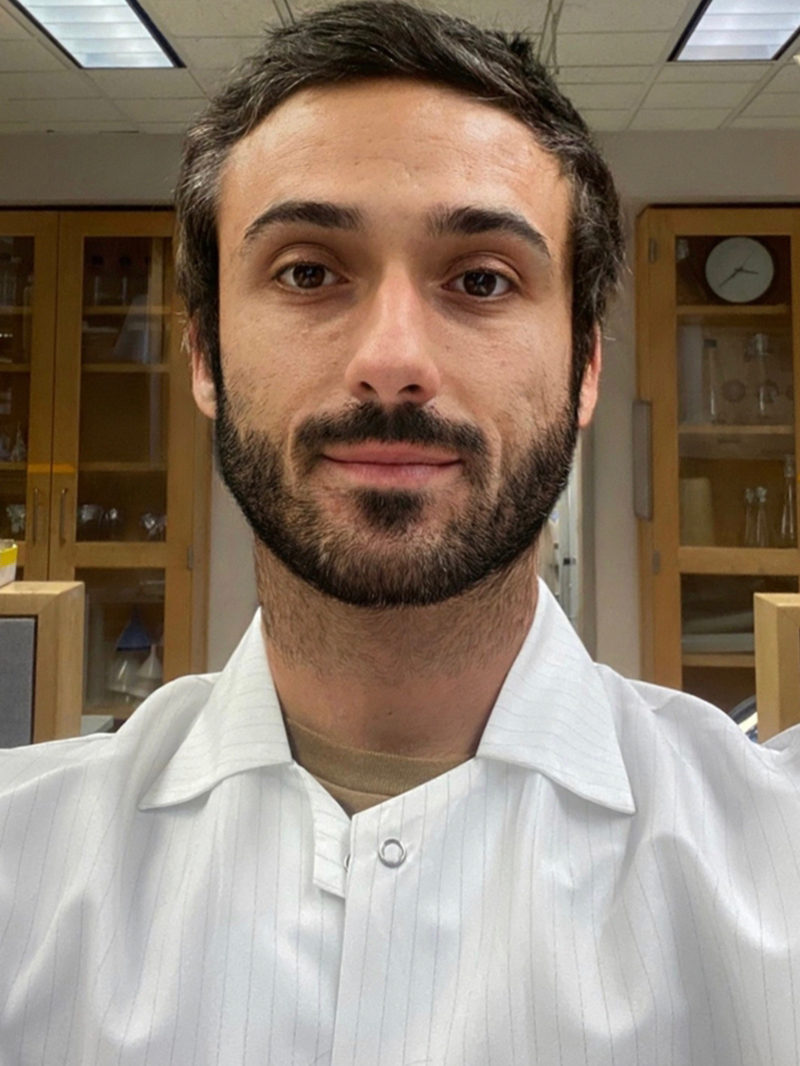
“Investigating the role of GPR35 in the regulation of mucosal immunity”, 2023
Who he is
Marco De Giovanni is currently a Group Leader at San Raffaele Scientific Institute in Milan, where his research focuses on elucidating the molecular pathways that govern immune cell migration and regionalization in mucosal tissues and cancer. Marco earned his PhD in Matteo Iannacone’s laboratory at the San Raffaele Scientific Institute (SRSI) in Milan, Italy. He then pursued postdoctoral training in Jason Cyster’s laboratory at the Howard Hughes Medical Institute (HHMI), University of California, San Francisco (UCSF), San Francisco, CA. In 2023, he was awarded the Career Development Award, which allowed him to establish his independent research laboratory at the San Raffaele Scientific Institute in Milan. Marco is an expert in viral immunology, spatial transcriptomics, immune cell migration, mucosal immunity, and G protein-coupled receptors (GPCRs). He has authored numerous publications in leading scientific journals, including Science, Nature Immunology, Cell, Immunity, and Science Immunology. His work has been recognized with additional several prestigious national and international awards, including the the AIRC Start-Up Grant, and an ERC Starting Grant from the European Research Council.
What he does
Utilizing cutting edge methodologies such as spectral flow cytometry, spatial transcriptomics, spatial phenotyping, scRNA-seq, photoactivation and two-photon intravital imaging, the lab investigates immune cell dynamics and regionalization in both health and disease states, including in the context of infections, metabolic disorders and cancer. Their investigations are aimed at enriching our comprehension of immune mechanisms in different niches, such as the mucosal sites and solid tumors, potentially unlocking novel therapeutic avenues. Indeed, a primary objective of the lab is to pave the way for ‘regionalized medicine’, a groundbreaking concept centered on region-specific drug or vaccine delivery strategies within organs, thereby maximizing treatment benefits and reducing systemic side effects. Finally, the De Giovanni lab aims to develop new techniques to allow a broader capacity to study molecular pathways involved in immune cell recruitment to tumors

