
Carlos Ponce, 2026
Who he is
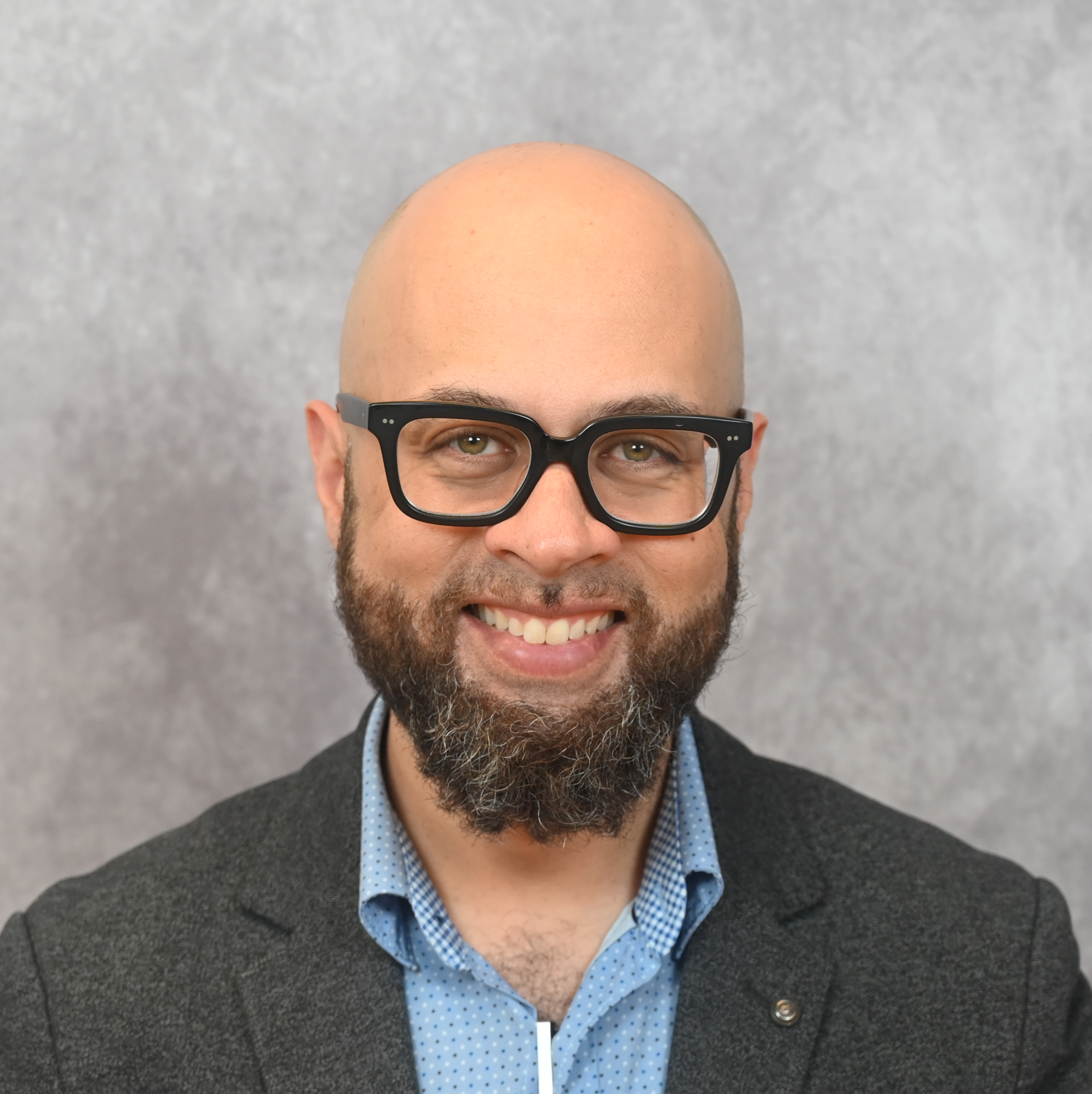
Carlos R. Ponce joined the Department of Neurobiology at Harvard Medical School in 2021. He was born and raised in Mexico and earned a B.S. in Biology from the University of Utah. He received his M.D., Ph.D. from Harvard Medical School, where he conducted his predoctoral research with Richard Born. He completed two years of clinical training in pathology at Massachusetts General Hospital, followed by postdoctoral research with Margaret Livingstone and Gabriel Kreiman. In 2018, he started his independent laboratory as an Assistant Professor in the Department of Neuroscience at Washington University in St. Louis before moving his lab to Harvard Medical School. His research examines how neurons in the primate visual system encode complex natural images, integrating electrophysiology, behavior, and deep generative models to link biological and artificial vision systems.
What he does
The Ponce Lab investigates how interactions across brain areas give rise to visual perception in primates under natural conditions. The lab’s overarching goal is to explain vision as it operates in the real world, focusing on how individual neurons function across broad and diverse image spaces rather than within narrow, human-defined stimulus categories. Using large-scale electrophysiology in non-human primates, the lab surveys neural activity across multiple stages of the visual system while animals engage in intrinsic behaviors that reflect their natural history. A major focus of the lab is preferential viewing behavior, which provides a window into how visual representations guide attention and choice in the absence of explicit task demands. By combining behavioral measurements with neural recordings, the lab links patterns of spontaneous viewing to the structure of visual representations across cortical areas. In parallel, the lab develops closed-loop experiments in which neural responses directly guide the synthesis of visual stimuli using deep generative models, allowing neurons themselves to reveal the features they encode. This framework supports an iterative loop of exploratory science and targeted hypothesis testing.
News from the Lab
The lab has begun investigating how drugs of abuse, such as MDMA and methamphetamine, alter visual representations and inter-area communication in the primate brain. Despite extensive behavioral and clinical work, these effects have rarely been studied using chronic electrophysiology in sensory cortex. The lab addresses this gap by combining long-term neural recordings with controlled pharmacological manipulations, together with deep neural network models that simulate and help interpret drug-induced changes in visual coding and behavior.

