
Corey Allard, 2026
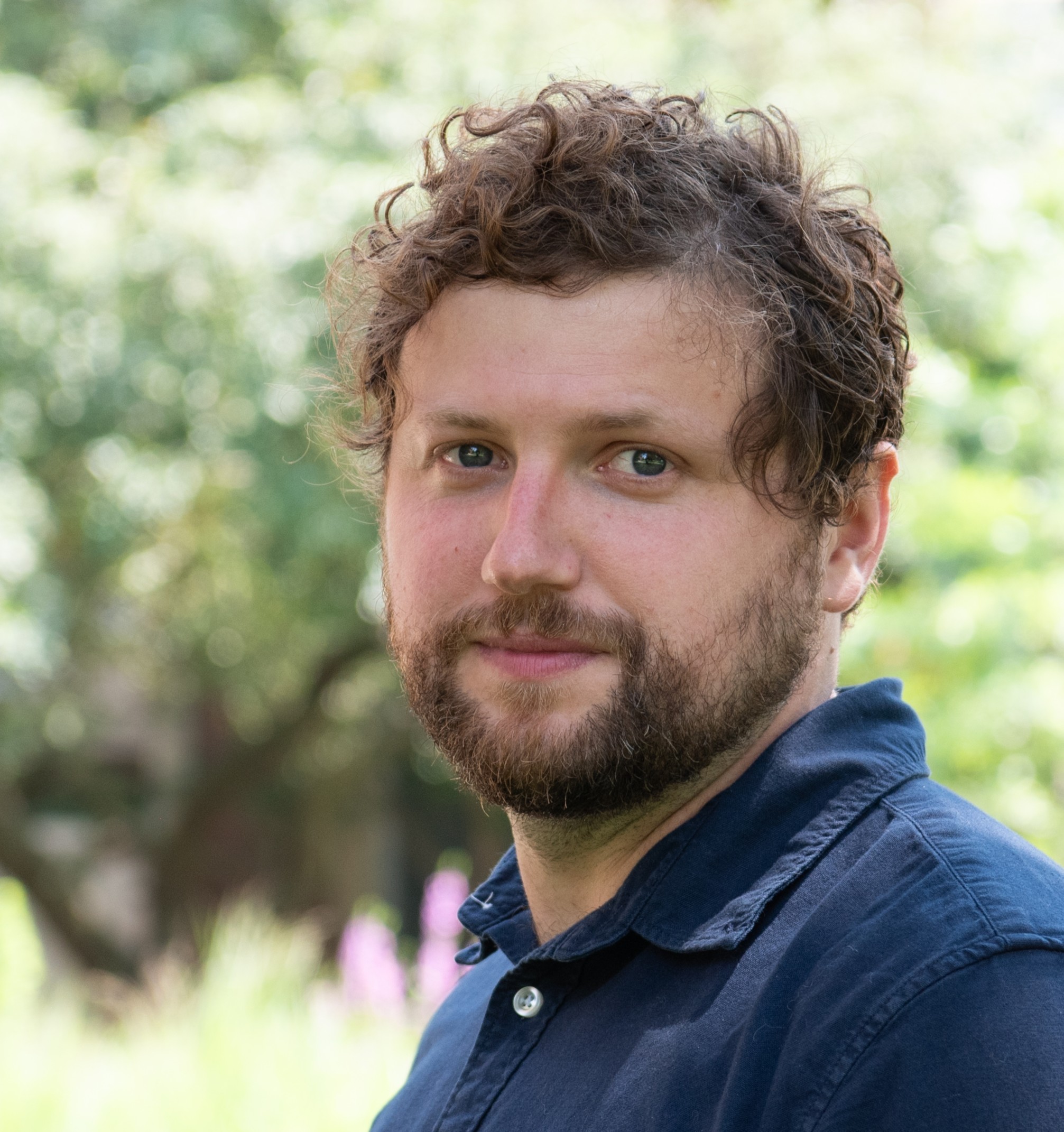
Who he is
Dr. Corey Allard joined the Department of Cell Biology at Harvard Medical School in fall of 2024. He received an undergraduate degree from Northeastern University in 2012 where he studied the unique biology of Antarctic fishes with Dr. William Detrich, and a Ph.D. in Biochemistry and Cell Biology from Dartmouth College working with Dr. James Moseley studying mechanisms of cell size control. He then joined Dr. Nicholas Bellono’s group at Harvard University where he studied sensory physiology in a range of unusual organisms like octopus and sea slugs.
What he does
We are interested in understanding how organisms evolve new traits and behaviors. Our strategy is take an integrative and comparative approach featuring unusual, non-model organisms to discover new biology and reveal conserved and fundamental principles that operate across biological systems and impact human health.
For example, we are studying unusual “walking” fishes that use leg-like appendages to navigate the seafloor. We have shown that these legs are bona fide sensory organs that mediate the sea robin’s unique ability to localize and uncover buried prey. We are probing the development and physiology of these novel organs as a striking example of a major trait gain in evolution, to understand how molecular, cellular, and tissue-scale adaptations integrate to produce novel organismic traits and behavior.
In another example, we are investigating “photosynthetic” sea slugs, which consume algae and retain stolen chloroplasts in specialized cells where they can remain functional for months. We are exploring the molecular and cellular mechanisms underlying retention and maintenance of these stolen organelles to better understand how new organelles become integrated into host cell physiology.
News from the Lab
In recent work, we are investigating another remarkable example of organelle theft in sea slugs, focusing this time on a related lineage that steals stinging organelles from sea anemones. These organelles can explode to release venom-coated barbs, which animals like anemones and jellyfish use to sting predators and prey. Nudibranch sea slugs have evolved to steal these organelles without detonating them, and instead store them inside their cells and control stinging using their own nervous system, allowing them to sting using stolen stingers. We are investigating how these slugs steal, maintain, and control these stolen organelles.

