
Kamila Naxerova, 2026
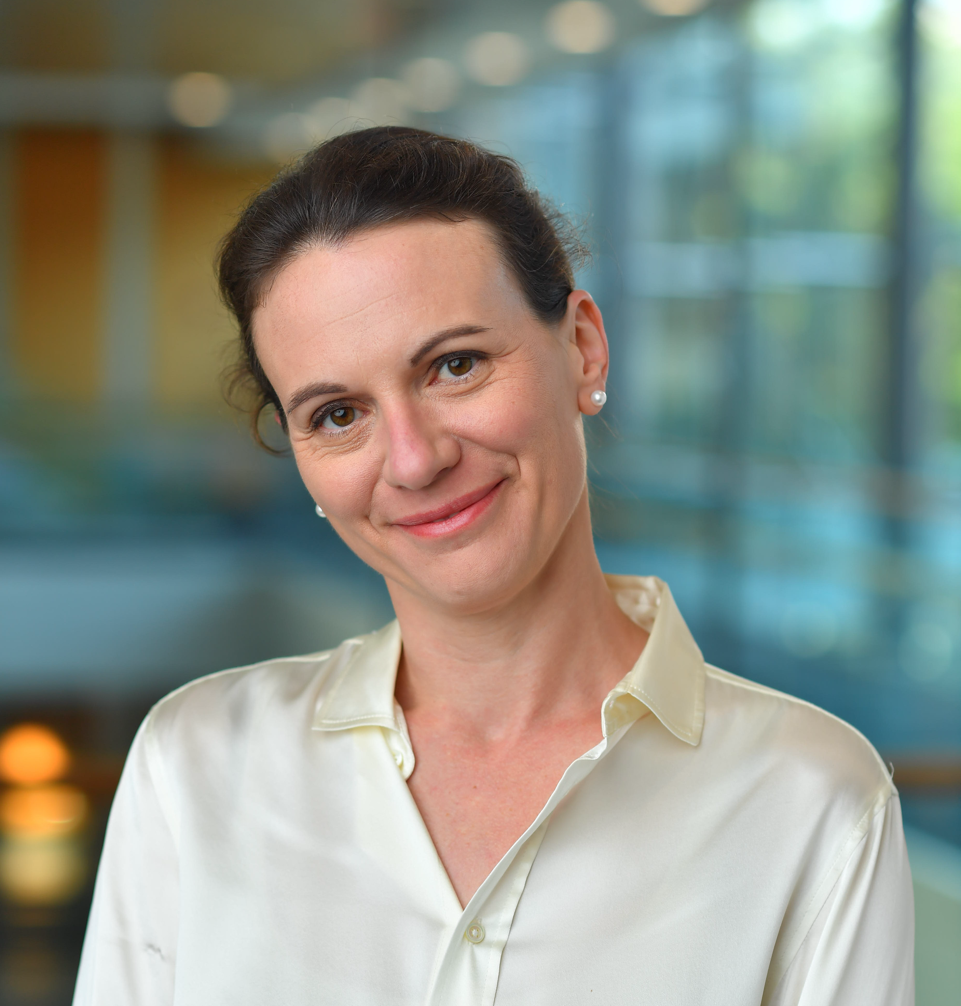
Who she is
Kamila received her undergraduate degree in molecular biotechnology from Heidelberg University in Germany, and her PhD in Human Biology and Translational Medicine from Harvard University. After her postdoctoral training with Stephen Elledge at Harvard Medical School, she started her own lab at the Center for Systems Biology at Massachusetts General Hospital in 2018. In 2023, she and her group moved to the Department of Genetics at Harvard Medical School. Kamila loves all things genetics but mainly focuses on understanding the laws of somatic evolution and how they shape health and disease in humans.
What she does
The Naxerova lab investigates how somatic evolution – the process by which mutation, selection, drift and migration shape the genetics of our bodies’ cells – impacts and is impacted by human health, in particular with respect to cancer and cardiovascular disease development. The lab’s research covers the whole spectrum of evolutionary processes in somatic cells: the rise of clonal expansions in normal tissues, the dynamics of their growth, the implications of their presence for tissue function, the process by which cancers emerge from them, and the evolution of these cancers towards systemic disease. We are particularly interested in leveraging hypermutable DNA sequences to reconstruct the evolutionary history of somatic lineages in humans and have extensively used this methodology to study metastasis formation. In addition, the somatic evolution of the hematopoietic system is one of the lab’s focus areas. Studying how cardiovascular disease affects hematopoiesis, we have for example shown that stem cell proliferation is chronically augmented in atherosclerotic patients and animals, promoting clonal expansion and accelerating clonal hematopoiesis. In turn, we are also interested in the effects of the hematopoietic system on cardiovascular disease development. The lab’s computational biology arm is furthermore involved in many collaborative efforts studying (single cell) gene expression patterns in health and disease. Our mission is to investigate the factors that shape somatic evolution in humans and to establish the clinical relevance of these processes.
News from the Lab
Our lab is currently working on a range of topics in normal and neoplastic tissue evolution. For example, we are developing novel methods for distinguishing mutations that are under selection during normal tissue aging from mutations that causally contribute to cancer (https://doi.org/10.1101/2025.10.06.680730). In the metastasis evolution space, we are interested in quantifying the organ-specific selective pressures that metastatic cells encounter during dissemination and colonization in humans (e.g. https://doi.org/10.1101/2024.09.25.614736)

